
Cal Poly Recognized IRA Programs
Browse more than 200 Cal Poly IRA programs, organized into eight categories. Use contact links for participation information.
College of Agriculture, Food and Environmental Sciences
| IRA Program Name | Contact | What You'll Learn |
|---|---|---|
agBot Challenge Team
|
Bo Liu |
A team of BRAE and other department students design and build an autonomous corn seeding tractor for the annual agBot Challenge Seeding Competition. The team forms an entry proposal to the competition, produces their agBot, and presents it at the NextGen Expo and at the agBot competition in Rockville, Indiana. The team develops and creates an unmanned, robotic device that autonomously plants 1,000 ft. rows of corn, changes seed variety, and other tasks. Students gain engineering experience in research, development, design, fabrication, machining, prototyping, testing, and competing. It also provides them with the opportunity to apply the Learn By Doing philosophy outside the classroom. |
Agricultural Media Summit |
The Agricultural Media Summit (AMS) is the largest professional gathering of agricultural communications professionals and students in the United States. The focus of the summit is professional development. Students participate in a national competition to assess their skills in news writing, photography, web development, feature writing, graphic design and broadcasting. Many of our students have won national awards for their efforts and have also served as the student interns responsible for the planning and execution of the Summit. The AMS meets in various locations throughout the country. The following organizations meet at the summit: the American Ag Editors Association, the Livestock Publications Council, the Ag Business Council, the Ag Communicators of Tomorrow, and the Ag Relations Council. |
|
Animal Science Academic Quadrathalon |
Students will compete in teams in regional and national competitions sponsored by the American Society of Animal Science. Team members will collaborate in a lab practicum, quiz bowl, written exam, and oral presentation. Students will prepare for competition through enrollment in ASCI 290 Academic Quadrathlon Enterprise, which is open to all majors and class levels. IRA funding will cover the cost of travel and competition fees. |
|
Applied Ecology |
Students will engage in real world circumstances to address local challenges related to natural resource management, promoting the health and rehabilitation of local ecosystems, encouraging human roles that positively shape ecological processes, and honor the connection to the natural world. A large focus is the production of plant material to use in projects.This is accomplished with a student-maintained nursery of bio-regional appropriate plants. Students participate in the rehabilitation of watersheds and native tree plantings, while learning from ecologically-minded community mentors. They also plant and maintain trees in the local area, attend events that enhance their understanding of the subject, partner with local organizations to restore degraded ecosystems, and host events to encourage positive human connection to the natural world. |
|
ASABE 1/4 Scale Tractor |
Students in BRAE Department design and build a ¼ scale tractor for the ASABE (American Society of Agricultural and Biological Engineers) competition in Peoria, IL. The design competition consists of six sections: Design Report, Design Oral Presentation, Safety and Compliance Inspection, Tractor Pull Competition, Maneuverability, and Website Design Competition. This design competition has been a great opportunity for the students, from a variety of majors, to be involved in an engineering design and fabrication project, from beginning to end, and to have their efforts evaluated by a team of industry professionals. In addition to the six basic sections of the design competition, the students have actively marketed for funding to support the project. |
|
ASABE Annual Meeting Research Presentation |
Students will develop and present original research in agricultural and biological engineering, gaining experience in scientific inquiry, experimental design, data analysis, and technical communication. Participants will learn how to formulate research questions, apply engineering principles to real-world agricultural challenges, and interpret results using quantitative methods. Emphasis is placed on clearly communicating complex ideas through oral presentations and visual aids. Students will also receive feedback from professionals and peers, helping them refine their critical thinking, problem-solving, and professional presentation skills. This activity prepares students for careers in research, industry, and graduate study by simulating a professional conference environment. |
|
ASABE Robotics Competition |
Two teams of ASABE (American Society of Agricultural and Biological Engineers) students will represent Cal Poly at the 2016 ASABE Robotics Competition in Orlando, Florida. Teams will create 3-5 robot prototypes and 2 final designs will be selected. Students will be researching, developing, coding, circuit designing, 3D printing, and testing their designs. |
|
Cal Poly Eventing Team |
This IRA provides an affordable opportunity for students, with or without riding experience, to be able to learn and compete against other universities at the United States Eventing Association. The Eventing Team creates a positive learning environment and a successful team, regardless of competition results. |
|
Cal Poly Forest and Fire Science Leadership Initiative |
Ashley Grupenhoff Lilli Kaarakka |
|
Cal Poly Mule Packing |
Lou Moore-Jacobsen |
Students learn proper handling and training techniques for horses and mules used in packing supplies into back country areas, as well as for competition. Students will have the opportunity to compete in multiple competitions annually with their championship show at Bishop Mule Days interscholastic competition. Participation teaches team work and communication with both their classmates and the livestock they work with while packing. |
Cal Poly Reined Cow Horse Team |
This IRA will unite all students who are passionate about the reined cow horse industry, regardless of skill level. The Reined Cow Horse Team promotes learning and fosters competition against other collegiate teams throughout the year. |
|
Cal Poly Students for Enology and Viticulture |
Students interested in learning more about wine and the viticulture industry. It provides out-of-class learning experiences to supplement in-class learning with real-world application. Participants sit in on on-campus industry speakers, participate in tastings, and join in on industry trips to local wineries, vineyards, and wine retailers. |
|
Dairy Challenge Consulting Competition |
Student consultation teams visit dairies and assess overall management skills and abilities, the facility design and maintenance, and finances. Students then develop a PowerPoint presentation that includes an introduction to the dairy, an assessment of the dairy operation, and recommendations that will improve the dairy's financial position. Students present their recommendations to a panel of industry experts followed by a question-and-answer session by a panel of judges. |
|
Dairy Quiz Bowl Team |
Dairy Quiz Bowl Team measures student knowledge in the areas of dairy foods and production sciences. The Dairy Quiz Bowl team consists of four members who give two oral presentations that exhibit the students' knowledge of the dairy industry. The contests are held at the the American Dairy Science Association - Student Affiliate Division (ADSA-SAD) national meetings. In preparation for the Dairy Quiz Bowl, students receive instruction from various Dairy Science courses, such as dairy processing, animal physiology, nutrition, management, and genetics. The ultimate objective is to face off against other university quiz bowl teams to assess what team has the greater depth and breadth of knowledge concerning dairy production and processing. |
|
Dressage Team |
The Intercollegiate Dressage Team introduces Cal Poly students to the equestrian discipline of dressage and provides a venue for these students to compete as representatives of the school. This group will organize and/or host two to three intercollegiate competitions each year and two to three schooling shows for the public that serve as fundraisers for the group. |
|
Cal Poly Equestrian Team |
The Cal Poly Equestrian Team (CPET) brings together students from a variety of majors and every college who share an interest in riding horses. CPET is made up of students of every riding level, from those with no previous riding or horse-related experience to members who compete at the highest level of equestrian competition. Although competition through the Intercollegiate Horse Show Association (ISHA) is a component of the team, members are not required to compete. Many students join CPET just to learn about riding and horses or improve their skill through daily practice and hands-on learning by managing six team horses. Members are responsible for all aspects of caring for the horses on a daily basis including horse nutrition, feeding, grooming, exercising, riding, cleaning stalls, and doctoring. |
|
| Experiential Learning at Visit CA Outlook Forum | Jennifer Prentice | |
Extended Cadet-Led Voyage |
Bradley Angle | By participating in this activity, students will create comprehensive voyage plans, analyze real time maritime information, and apply maritime concepts in evolving situations. Students will produce a post-activity digital documentary that effectively communicates and reflects upon their operational experience, demonstrating understanding, recall, and synthesis of maritime practices. Students will evaluate the effectiveness of their voyage plan and propose improvements for future IRA activities based on operational observations and post-voyage analysis. The learning outcomes revolve around these activities, and include outcomes directly related to Coast Guard licensing requirements; including navigation techniques, piloting and shiphandling practices, voyage planning, small team mangement, and Bridge Resource Management. |
Food Distribution Research Society Student Food Marketing Challenge |
Lucy McGowan | Analyze a challenge facing an existing company in the food distribution value chain and propose a tangible, strategic solution with a team of students. |
FFA State Conference LiveStream Production |
|
|
Food Science Scholastic Competition Teams |
The Institute of Food Technologists Student Association (IFTSA) hosts an annual National College Bowl Competition in the area of Food Science. The IFT College Bowl is based around the idea of "who knows the most" about the sciences in general, food science in particular, and specific current and professional events or activities in the U.S. and worldwide. The competition is about who can best incorporate the latest and greatest technologies and trends into the manufacture, distribution, and sales of a novel food item. Concepts in food safety, food law, engineering, nutrition, processing, packaging, marketing, and everything else that goes into the development of a successful food product are all addressed. Cal Poly competes against numerous other schools with strong graduate programs and consistently ranks near the top. |
|
Friends of the Farm |
Friends of the Farm's (FOF) mission is to provide Learn by Doing opportunities in the area of organic and sustainable gardening, farming, and marketing at the on-campus farm. Program participants serve such needs as enhancing signage and landscaping at the Cal Poly Organic Farm, creating a self-guided tour brochure, managing a membership group of volunteers and donors, offering free to the public tours of the farm, designing and printing an annual program newsletter, hosting free to the public workshops, and leading tours to local sustainable farms. |
|
Future Fuels |
The Future Fuels IRA involves students developing alternative energy technology for the Cal Poly campus and transportation. Students will receive professor feedback and give weekly presentations about their prototypes to educate their peers. Example projects include a reactor that will turn waste vegetable oil into biodiesel, a solar charger that students can use to charge their devices, and converting a gasoline dirt bike to electric. Components of completing their design involve building designs, presenting, working with professors, and conducting research. |
|
Judging - Dairy Cattle |
The program involves students who have taken DSCI 241 - Dairy Cattle Selection, Breeds, Fitting and Showing, or junior college transfer students with judging experience. These students practice twice a week during spring quarter and compete in an intercollegiate judging contest spring quarter. The top student judges continue to practice and then compete in one or two contests during fall quarter, usually as juniors. The senior judging team culminates their judging experience by competing in two contests during fall quarter: The Eastern National, which is held in Harrisburg, Pennsylvania; and the final contest, the National Contest in Madison, Wisconsin. |
|
Judging - Dairy Products |
Dairy Product Judging is an activity where students are taught the fundamentals of dairy food product evaluation in order to compete with students from other universities. The students are taught the sensory characteristics (taste and odor and texture), of traditional diary products: reduced-fat milk, strawberry yogurt, cheddar cheese, vanilla ice cream, cottage cheese, and butter. Students then spend an average of three hours a day practicing the evaluation of commercial dairy products with the team coach. The final objective is to match their evaluations with those of official industry judges. The student with the closest matching score is recognized as the winner. |
|
Judging - Soils |
Ag Judging - Soils is a national collegiate program in which students describe, classify, and interpret soils in the field in a competitive setting. Students use professional standards (soil taxonomy, soil survey manual, national soils handbook) established by the U.S. Department of Agriculture - Natural Resources Conservation Service (USDA-NRCS) national soil survey program. Students compete individually and in groups at local, regional, and national competitions. Activities are similar to professional practice in soil science, and is excellent training for future field-oriented soil science professionals. |
|
Judging - Livestock |
Livestock judging team members engage in the evaluation and selection of breeding and market livestock, preparing and presenting their oral set of reasons on class placement at various competitions in California and across the nation. This team provides students with the opportunity to develop strong critical thinking and communication skills; and interact with successful livestock industry leaders while “judging for Cal Poly”. |
|
Logging Team |
The logging team educates members and the community on properly managing natural resources. The logging team program gives students hands-on field skills in forestry and forest-related activities and provides services to the community through various means including hosting demonstrations and performing community enhancements. The logging team actively participates in the FFA State Finals held at Cal Poly, Cal Poly Open House, Farm City Nights, and other annual Cal Poly activities in addition to hosting the annual California Conclave, consisting of schools across California, Nevada, and Oregon. |
|
Marine Mammal Rehabilitation |
This activity will provide training and funding for students to travel to The Marine Mammal Center in Sausalito for a weekend hands-on learning experience in wildlife rehabilitation. Students will practice basic medical skills for wildlife rehabilitation under the guidance of veterinary staff. Experiences will include capture and handling, feed preparation, manual restraint, physical examination, gastric tube feeding, fish offer, administration of medications, and biological sample collection. |
|
Minorities in Agriculture, Natural Resources & Related Sciences (MANRRS) |
MANRRS is a national organization that supports the continued professional and pre-professional development of a diverse group of learners from throughout the USA and territories. The goal is to support students who represent Cal Poly in the career development events at the annual gathering of professionals, graduate students, and undergraduate students in competitive events sponsored by MANRRS. The specific events include the Undergraduate and Graduate Poster Contest, the National Public Speaking Contest, and the Research Discussion Contest. |
|
Mustang Makerspace (joint with all colleges)
|
Mustang Makerspace is a physical and programmatic environment where students of all academic levels from all majors across campus can come together to explore and develop their early-stage ideas. The goal is to stimulate creative play outside of the traditional academic environment through a mix of formal and informal engagement, allowing innovations to progress beyond a single classroom project or exercise, and decoupling innovation from a particular course or department. |
|
Mustang Zymurgists |
Mustang Zymurgists allows students to develop beer recipes in the Fall and Winter to be judged at the annual National Homebrew Competition in the Spring. Students will apply principles of fermentation science and the impact of raw materials in the development of recipes. Students will also present their findings at the American Society of Brewing Chemists (ASBC) over the summer in the form of posters or oral presentations. |
|
NACTA Professional Research Conference |
The annual NACTA (North American Colleges and Teachers of Agriculture) Conference provides faculty members and graduate students from across the country the opportunity to share innovative teaching approaches and learning outcomes specific to colleges/departments affiliated with agriculture, food, and environmental sciences. The conference is held in June at institutions from different regions across the country. |
|
National Ag Marketing Team (NAMA) |
Stamatina Kotsakou |
The student team works with an actual client to develop a marketing plan. A written executive summary of the plan is sent to the industry judges, and then a live presentation is made. We compete with thirty other universities at a professional convention attended by 1,000 - 2,000 people. We have won eight times in twenty-five years. The resultant public relations value is immeasurable, and industry professionals acknowledge our strong national reputation. This recognition greatly assists us in matching our students with excellent employment opportunities, as well as developing interesting synergies with faculty peers at other universities. This reputation is also an important tool for recruiting new students. |
National Collegiate Agriculture Conference |
The National Collegiate Agriculture Conference emphasizes the professional growth of the students through participation in the national collegiate leadership seminars and workshops, collegiate leadership competitive events such as poster presentation/marketing, and in collegiate speaking competitions. Students also participate as judges for the National FFA Finals in some of the proficiency award categories, as assistants for the National Finals in FFA speaking and career development events, and in business and award recognition session of the National FFA Organization. |
|
National Collegiate Landscape Competition |
Students with an interest in the landscape industry attend the largest industry-sponsored event in the country to compete against students from other schools in various landscape events based upon skills and knowledge directly associated with every aspect of the landscape industry. The event usually draws forty to fifty schools and over 300 industry professionals. Along with the competition, students get to interact with industry leaders and companies regarding summer employment, internship and post-graduation career opportunities. |
|
National Grocers Association Student Case Study Competition |
In the spirit of Learn by Doing, this IRA allows students to work on real problems affecting the grocery industry using data and resources provided by participating companies. Students engage in data analysis, report results, prepare presentations, conduct surveys, and interview industry professionals. Ultimately, the National Grocers Association Student Case Study Competition prepares students for their challenging yet rewarding careers in the food supply chain |
|
Nutrition Aces Program |
Students participating in the Nutrition ACES Program will offer a variety of nutrition services to Cal Poly employees as part of an effort to expand employee wellness programming. Services offered will include nutrition-related health screening and assessments, provision of individual nutrition and counseling sessions, community/group nutrition education sessions, and health fairs. Additionally, participants will develop professional and leadership skills collaborating in “healthcare teams” with supervision of faculty advisors who are also Registered Dietitian Nutritionists and a Chef/Culinologist. |
|
Polo Team
|
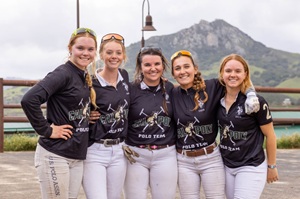
The Cal Poly Polo Team brings students, from different majors, together for the purposes of learning, training and executing the sport of polo. Varsity and JV teams are formed and compete against other colleges in the United States. Student players are responsible for all aspects of the organization including fundraising, team/travel budgeting, equine nutrition, feeding, exercising, riding, personal fitness and academic guidelines. Students also work with junior players from the community and work summer jobs to sustain and build a strong image for Cal Poly. |
|
Poly Range & Wildlands |
Poly Range & Wildlands aims to generate interest in the culture and profession of rangeland ecosystem management It prepares students for presentations and intercollegiate competitions at the annual national Society for Range Management (SRM) scientific conference, state sectional meetings, and other professional meetings and activities. These include the California Rangeland Conservation Coalition (CRCC), the Central Coast Rangeland Coalition (CCRC), and the annual Science in the Sagebrush-Steppe Intercollegiate Range Camp (SSS). Major competitive intercollegiate events associated with the annual SRM conference include the Plant ID Contest, the Undergraduate Range Management Exam (URME), Rangeland Cup, and the University Website Display Contest. |
|
SAIFD American Institute of Floral Designers Convention & Design |
We want to send four students to the annual National American Institute of Floral Designer's Symposium. The students will compete against other schools from the U.S. and Canada in four different categories: Bridal Bouquet, Bridal Table Centerpiece, Buffet Table Centerpiece, and exact duplication of Napkin Ring design. This competition best exposes students to the intricacies of the floral-design industry. |
|
Sustainable Agriculture/Eco-Farm Conference |
Eight students go to the Eco-Farm Conference in Monterey. Students will be picked who have participated in the Organic Enterprise Project and/or the Organic Agriculture class (AG 315) and have demonstrated a particular commitment to or interest in organic agriculture. The Organic Agriculture class has drawn students from all over the University; over the past five years one-third of the students have come from outside the College of Agriculture, Food and Environmental Sciences. By bringing committed students to Eco-Farm, this project will allow students to be exposed to a broader and more diverse network of food and fiber professionals who are involved with sustainable agriculture. |
|
Tractor Pull Team |
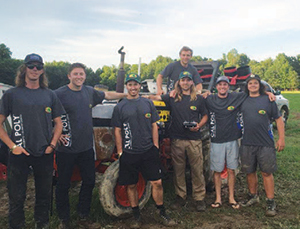
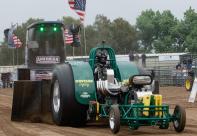
In 1999, a team of students in BRAE 421/422 (Equipment Engineering) designed and constructed a modified competition tractor that has been fondly named "Mustang Fever." In 2004, the team added a second tractor, "Poly Thunder." Cal Poly's Tractor Pull Team members are in charge of the operation, maintenance, and improvement of the tractors. The goal of this activity is to continue to provide the opportunity for the students to apply knowledge and skills attained in Cal Poly coursework in a competitive and exciting environment while demonstrating Cal Poly's Learn by Doing philosophy to literally thousands of spectators. This has been a fantastic opportunity for the students to make engineering judgments, make modifications to the machines, evaluate the performance results, and, on occasion, bring home first-place honors. |
|
Vet Science |
The Vet Science program provides the opportunity for students to participate in the management and routine activities of a companion animal veterinary clinic. Students will have the opportunity to participate in the business operations and medical functions of a veterinary clinic. The program will operate several specific vaccination clinics each year. |
|
Young Farmer and Rancher Collegiate Discussion Meet |
The Young Farmer and Rancher Collegiate Discussion Meet IRA allows students to compete at the state and national Young Farmer and Rancher Discussion Meet competition. Students can expand their skills in oral communication, while also developing critical thinking skills associated with complex issues affecting American agriculture. |
|
|
|
|
College of Architecture and Environmental Design
|
IRA Program Name |
Contact |
What You'll Learn |
|---|---|---|
American Planning Association Conferences |
Students choose to attend either the National Conference of the American Planning Association (APA) or the APA California Conference based on their aspirations to become a practicing planner either within the State of California or elsewhere nationally. These conferences not only enhance instruction faculty provide within the curriculum on effective professional practice but give the students valuable experience on how to professionally present themselves and their work through active participation on panels, poster-board sessions, exhibitions, and interactions with professionals in the field. |
|
American Society of Landscape Architects (ASLA) Annual Meetings |
Annual meetings for the American Society of Landscape Architects (ASLA) are held each fall in metropolitan areas throughout the United States and include panel discussions, displays of professional and student work, education sessions, keynote presentations and a product exposition. The ASLA Annual Meeting draws over 6,000 landscape architectural professionals and students from across the U.S. and around the world each year. Attendance by Cal Poly students at these meetings provides an opportunity to enhance and reinforce core instruction on professional practice, expose students to contemporary issues of the built environment and help students make connections to the profession of Landscape Architecture. |
|
ARCE/ARCH/CM Annual Field Trip |
Peter Larsen |
The annual ARCE/ARCH/CM field trip exposes students to the building industry at the international level. The destination is always a major metropolitan area outside of California and incorporates faculty-guided visits to structures and buildings with major architectural and/or structural significance, major construction sites, and national architectural and structural engineering offices. The goals of the field trip are: 1) to gain an awareness of the how structural engineering is implemented in and how it affects large communities; 2) to understand the differences between and similarities of structural engineering as it is practiced in California versus in other states and countries; 3) to complement concepts learned in the classroom by seeing actual and significant examples; and 4) to develop the students' understanding of themselves as citizens of a much larger world. |
Chumash Show |
Chumash Show is the All 5th Year Architecture Show to showcase the 5+ years of work by students in the School of Architecture. It has grown to be one of the largest collective shows of student architecture work in the nation. The event is open to the public for two days. The show displays year-long senior projects and attracts family, friends, prospective employers and the community to observe the hard work and dedication of architecture students. |
|
Collaborative Design Studio: ACSA/AISC Steel Competition |
Cal Poly Architectural Engineering, Architecture, and Construction Management students work as multi-disciplinary design teams that compete in the annual steel design competition sponsored by the American Institute of Steel Construction (AISC) and administered by the Association of Collegiate Schools of Architects (ACSA). Typically teams are composed of two Cal Poly ARCE students, three architecture students, and one construction/sustainability "consultant." Process begins in early January as, through a series of activities including design meetings and reviews, the participants become collaborators and a team of designers that produce integrated proposals for the AISC Competition in May. Students present their work to visiting practitioners and faculty members four times, at the middle and end of winter quarter, mid-spring quarter, and a final presentation in late May. The program allows students to discover the value of communication, exposes students to a design situation that mimics real-world design situations, and requires a mastery of their "trade" by requiring students to explain technical engineering principles in laymen's terms to non-engineering design professionals. |
|
Design Village |
|
|
Developing Nations Design Build Consortium |
This program provides students an opportunity to make a difference in the world (in addition to gaining an experience beyond the classroom). The purpose of the project is to aid developing nations, particularly in rural areas, in becoming self-sufficient and sustainable in design standards and construction methods. This self-sufficiency and sustainability are accomplished by planting the seeds of a grassroots information exchange at the actual project site. The program identifies a project in need; then at the beginning of fall quarter a call for interest goes out and a project team is assembled. The project is conducted in a "design office" model in which the advisor and lead student have contact with the client, and the team as a whole "buys into" the solution design and how to accomplish it. The team is broken into sub-teams and the sub-teams are given freedom to use their education and resources. Periodic meetings (usually weekly) are required for progress reports, updates, and team building. Funding is sought and, if successful, students travel to the project site. |
|
International Seismic Design Team |
The International Seismic Design Team allows students to apply engineering concepts in the design, analysis, and construction on a tower which will compete at the annual Earthquake Engineering Research Institute's (EERI) Undergraduate Seismic Design Competition. The goals of the team include promoting an interdisciplinary project between colleges by recruiting students of various grade levels and majors, passing on learned knowledge from past competitions, improving Cal Poly's reputation in the earthquake engineering discipline, and gaining sponsorships. The team places well at the annual EERI competitions and, with applied knowledge from past competitions and dedication to quality engineering and craftsmanship, continues to strive for success. |
|
Landscape Architecture Senior Showcase |
Students will organize the Annual Landscape Architecture Senior Project Showcase. This showcase occurs each year to highlight and display the senior capstone projects for the graduating senior cohort of students. The showcase is open to the public, and it allows students to present their year-long capstone projects to the faculty, current Landscape Architecture students, alumni, supporters, clients, and to the Landscape Architecture Department Advisory Council (LADAC). The activities that students undertake to organize the showcase include: finding and reserving a venue; purchasing insurance for the venue; coordinating catering for the event; setting up and removing display infrastructure for their projects; hanging and displaying their projects; coordinating public outreach to advertise the event including social media, advertising on the Landscape Architecture department website, and designing and printing the posters for the event; updating the senior show website with the current year's projects; among others. At the actual showcase, students present their projects to attendees. Faculty award one 'best senior project' to each section of LA 461 at the showcase (typically 2-3 sections each year). | |
Mustang Makerspace (joint with all colleges)
|
Mustang Makerspace is a physical and programmatic environment where students of all academic levels from all majors across campus can come together to explore and develop their early-stage ideas. The goal is to stimulate creative play outside of the traditional academic environment through a mix of formal and informal engagement, allowing innovations to progress beyond a single classroom project or exercise, and decoupling innovation from a particular course or department. |
|
NAHB Residential Construction Competition |
The National Association of Home Builder's (NAHB) Residential Construction Competition is one of the highlights at the NAHB International Builder's Show. The purpose of the competition is to engage students in the "real" activities associated with the residential construction industry and to prepare a proposal for a "real" project. Students also have the opportunity to interact with other students and industry professionals from all over the country. The competition consists of teams from universities from around the nation receiving a construction problem to analyze, submit, and present. The teams travel to the International Builders' Show and make an oral presentation, summarizing the proposals and overall management concepts to the five industry professionals making up the judging panel. |
|
Skip the Grid
|
Joseph Cleary |
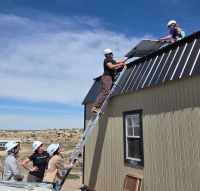
Skip the Grid (STG) is an interdisciplinary, student-led service project focused on delivering clean, reliable solar energy to families in the Navajo and Hopi Nations. In partnership with Heart of America, SOLV Energy, and Nextpower, Cal Poly students from a variety of majors spend months planning, fundraising, and training before completing a hands-on installation trip. In 2026, STG marks its fifth consecutive year of impact. Working in teams, students install off-grid solar systems that provide lighting, refrigeration, and essential power to 50 homes. Students also partner with local schools to teach youth about renewable energy and opportunities in higher education. Participants gain a deeper understanding of Indigenous communities and energy access while developing skills in construction, project management, teamwork, communication, and problem-solving to create lasting social and environmental impact. |
Structural Engineering Annual Convention |
The Structural Engineering Association of California Annual Convention, held every September, is a gathering of industry practitioners in the design and construction of buildings. It contains an extensive program of technical sessions, vendor displays, and networking events. The Cal Poly ARCE department typically hosts a reception for all Cal Poly graduates that attend this convention. The goal is to provide the students with exposure to the industry in which they are being educated to join. The technical presentations provide updates on the latest design and construction methods used in the industry today. Most topics are based on the structural design, architecture, and construction courses students are currently taking. The convention also provides exposure to the social, political, economic, and regulatory ramifications of projects that do not routinely get covered in classrooms. |
|
Structural Engineering Students for Humanity |
Structural Engineering Students for Humanity (SESH) aims to have Architectural Engineering students help rebuild disaster stricken communities through a holistic and adaptive appreciation of structural engineering. This program focuses on the complexity of issues such as poverty, culture, geography, economy, and history and how these issues affect the buildings in the area. Students involved in SESH will take at least one annual trip to disaster stricken areas abroad and work closely with NGO’s. SESH will also bring several guest speakers to campus each year to assist with the planning and development of each trip. |
|
Student Construction Management Competition |
In 1987, the Construction Management heads of Cal Poly and Oregon State initiated a student competition between the two universities -- today forty-three universities meet annually to compete in such categories as Building Information Modeling (BIM), Commercial, Concrete Solutions, Design-Build, Electrical, Heavy Civil, LEED, Marine, Mechanical, Multi-family, Pre-Construction Services, and Determining Project Risk. Construction companies sponsor and present real-world problems for the teams to solve. Each team first meets with the sponsors to receive the problem, then sequesters themselves for the remainder of the day to respond to the requirements of the problem. Teams pour over the plans, specifications, and digital files in order to provide such details as cost estimate, construction schedules, designs, calculations, and answers to sponsors' questions. At the end of the day, all presentation materials are given to the company-problem sponsor then the teams prepare a formal presentation the next day to support their work. The presentations utilize laptops projecting various types of software, some very specific to the construction and architecture disciplines. The presentations are then followed by a question-and-answer period where students display their ability to "think on their feet." This competition provides an excellent opportunity for students to apply knowledge acquired in the classroom to analyze and solve real-life problems. Because of the format of the competition, the teams must be able to work together for a common goal under a pressured environment. To be successful, the students must demonstrate exemplary written, visual and oral presentation skills, capabilities which the Construction Management Department stress in every class we offer. |
|
Workshop for Student Leaders |
The workshop is held annually at four locations throughout the United States. In the western region, students from twenty-five different universities attend, interact with each other in seminars and group activities, and share ideas and best practices. The President, President-elect, and Executive Director of ASCE attend these workshops and provide executive-level guidance to the students and share the direction and goals of ASCE. The goals are for students to develop leadership techniques, execution of meeting skills, planning practices, and reporting procedures that will facilitate the execution and management of effective student chapters in civil and architectural engineering. Students will leave with a better understanding of a major professional society and the role that it plays in the industry which they are being educated to enter. The interaction with so many other students will provide a sharing of ideas and an exposure to how other campuses deal with issues of common concern. |
|
|
|
|
Orfalea College of Business
|
IRA Program Name |
Contact |
What You'll Learn |
|---|---|---|
Field Studies |
Undergraduate students in the Orfalea College of Business will be offered unique opportunities to meet and learn from business professionals from a variety of industries. Students involved with this IRA will take at least one field trip per quarter to gain experience with an array of industries and be exposed to corporate cultures. Students will also have the opportunity to meet with corporate leaders and executives at the hosting companies. |
|
Mustang Makerspace (joint with all colleges)
|
Mustang Makerspace is a physical and programmatic environment where students of all academic levels from all majors across campus can come together to explore and develop their early-stage ideas. The goal is to stimulate creative play outside of the traditional academic environment through a mix of formal and informal engagement, allowing innovations to progress beyond a single classroom project or exercise, and decoupling innovation from a particular course or department. |
|
Student Competitions |
The goal for such competitive experiences is multifaceted. They serve to 1) enrich and broaden the educational experience and provide opportunities to collaborate with other institutions. 2) increase awareness of Cal Poly graduate programs and engage external partners. 3) increase participation in external learning and promote the real-life application of theory. 4) encourage students to become partners in discovery and creative activities. 5) act as a bridge between academic experiences and future career demands. Simply put, they offer an excellent opportunity to promote and advance applied learning. |
|
|
|
|
College of Engineering
|
IRA Program Name |
Contact |
What You'll Learn |
|---|---|---|
ASCE Concrete Canoe |
Each year students from the American Society of Civil Engineers Student Chapter at Cal Poly participate in the ASCE Pacific Southwest Regional Conference held in the spring. Several hundred students from 17 different universities in California, Nevada, Arizona, and Hawaii attend the conference along with faculty and other professional civil engineers. The purpose of the event is to broaden the perspective of civil engineering students through professional development activities and project competitions. Two of the main activities at the conference are the concrete canoe and steel bridge competitions. The concrete canoe competition involves the analysis, design, fabrication, and racing of a four person concrete canoe. The canoe team also prepares a twelve-page technical paper that is presented in a professional setting at the conference. Students learn how to apply, in a hands-on fashion, the engineering knowledge they have gained in the classroom, and build excellent teamwork, communication, project planning, scheduling, and budgeting skills. |
|
ASCE Steel Bridge |
Each year students from the American Society of Civil Engineers Student Chapter at Cal Poly participate in the ASCE Pacific Southwest Regional Conference held in the spring. Several hundred students from 17 different universities in California, Nevada, Arizona, and Hawaii attend the conference along with faculty and other professional civil engineers. The purpose of the event is to broaden the perspective of civil engineering students through professional development activities and project competitions. Two of the main activities at the conference are the concrete canoe and steel bridge competitions. The steel bridge competition focuses on the analysis, design, fabrication and erection of a one-tenth scale steel bridge. Esthetics also plays a role in the judging of the steel bridge. Students learn how to apply, in a hands-on fashion, the engineering knowledge they have gained in the classroom, and build excellent teamwork, communication, project planning, scheduling, and budgeting skills. |
|
ASME Human Powered Vehicle |
Students involved in this club will design, build, test, and ultimately enter into competition a human-powered vehicle - specifically an aerodynamically streamlined bicycle. The human-powered vehicle is judged on both design and performance in the annual competition sponsored by the American Society of Mechanical Engineers (ASME). Students expand their technical backgrounds as they work with a diverse group of teammates and develop their design-documentation and presentation skills under a challenging schedule. |
|
American Society of Mechanical Engineers (ASME) Student Section |
The American Society of Mechanical Engineers is an international organization with professional and student sections. Currently the Cal Poly student section is the fourth largest in the world. Our purpose is to expose the engineering students, not just mechanical engineering students, to the mechanical engineering industry and help students learn more about what career opportunities are available to them as mechanical engineers. We do this through public presentations by industry speakers, informative tours, competitions, etc. We also try to broadcast these presentations to other engineering disciplines because most of these presentations are relevant to the whole engineering college. Our student section also gives back to the community through engineering-related activities. |
|
|
ADL develops ideas into designs and physical products, through a variety of projects. Students who join will have the opportunity to actively problem-solve, design, and engineer solutions to problems they define. Experience in ADL is hands-on, with small, active teams completing the entire design process. |
|
Baja SAE |
The goal of the Baja SAE IRA is to design, build, and test an off-road Baja car and compete in the Baja SAE Series racing competition. The team must complete three milestones: preliminary design review, critical design review, and the creation of a running car 72 days before the anticipated day the team leaves for the competition. Student teams from across the country compete against one another to have their design accepted for manufacture by a fictitious firm. Students must function as a team to not only design, build, test, promote, and race a vehicle within the limits of the rules, but also to generate financial support for their project and manage their educational priorities. |
|
Cal Poly Amusement Park Engineers and Designers |
CAPED students work as a team to research and collaborate the technical and esthetic design of a new audio-animatronic character to be presented at industry related events. CAPED aims to help students establish a foundation for careers in the entertainment industry. Students will design the robot from its wiring to its background story/theme, compare companies within the amusement industry, and travel to conferences to learn from leading industry professionals. |
|
Cal Poly Bicycle Builders |
Designing and building bicycle frames has been part of Cal Poly's Learn-By-Doing tradition for many years. In fact, many significant bicycle companies have been started by Cal Poly alums. Students, senior Frame Builder members, and industry professionals meet to discuss frame designing processes ranging from deciding the type of frame and fabrication process to modeling the frame using different software applications. Students will have shop time where, with senior members, they will learn and practice different fabrication techniques and ultimately build a functioning bicycle frame. Every member of the club comes with a varying skill set when it comes to design and fabrication, which necessitates teamwork to ensure that everyone has the opportunity to create their very own bicycle frame. Once the Cal Poly Frame Builders are successful in creating quality bicycle frames, two to four of the most unique and highest quality frames will be shown at the North American Hand Made Bicycle Show or other cycling related events throughout California and the nation. |
|
Collaborative Autonomous Aircraft Project |
Aaron Drake | |
Computer Engineering Society - Autonomous Robot Showcase |
This project allow students to strengthen their technical knowledge and showcase their skills and talents to public audiences. More specifically, students will design and build autonomous robots for display at Cal Poly's Open House. |
|
Crafting Textile Games |
||
Cyber Policy Team |
||
Design/Build/Fly |
Cal Poly Design/Build/Fly (DBF) is a student-run group that competes every year in the international AIAA DBF competition. Each year, students design, build, and fly remotely piloted aircraft in pursuit of a new challenge. |
|
EMPOWER |
Teams of interdisciplinary students across different majors and colleges in the IRA develop innovative prosthetic and assistive technology for wounded veterans and local community members. The students learn skills needed for jobs/internships in the medical device industry through a workshop program and three-tier design project system. The nine workshops teach students skills such as 3D modeling, laser cutting, robotics, etc. needed to become successful design engineers. The three design projects consist of a quarterly design project, a lab development project, and formal design project. For the final project, a team of students is paired with a disabled community member in need of a design problem they would like solved. Formal design projects are presented to their corresponding challengers and entered in design competitions. |
|
Engineers Without Borders - Local Projects |
The students participating in ths IRA will work collaboratively on projects that are needed in the local community. For the first project, students will build an eco-friendly restroom facility at Camp Natoma. They will design the entire facility: plumbing, foundation, structure, etc. The designers will receive help from professional engineers, mentors, and other engineering experts to design a more safe, sanitary, and private facility for children attending the camp. Students will conduct research to design the restroom, utilizing their knowledge based on their majors. Working as a team of engineers gives them a chance to experience a real-life project that will challenge their critical thinking, and provide an opportunity to develop professional skills. |
|
Engineers Without Borders, Latin America |
Engineers Without Borders (EWB), Cal Poly’s mission is to support community-driven development programs worldwide, and is creating a fourth international project team to work in Nicaragua. Through collaboration with local partners to design and implement sustainable engineering projects, this team will create more interdisciplinary, leadership and learn-by-doing experiences for student members as well as serve another partner community in need of engineering assistance. |
|
Engineers Without Borders, Africa |
Engineers Without Borders (EWB), Cal Poly’s mission is to support community-driven development programs worldwide, and is creating a fourth international project team to work in Malawi. Through collaboration with local partners to design and implement sustainable engineering projects, this team will create more interdisciplinary, leadership and learn-by-doing experiences for student members as well as serve another partner community in need of engineering assistance. |
|
Engineers Without Borders General |
The purpose of Engineers Without Borders (EWB) – General is to support the activities of existing Engineers Without Borders international programs. This will be used to bring the EWB mission and vision to the local San Luis Obispo and Cal Poly communities by providing applicable speakers, events, and activities. |
|
ENVE Competitions |
Environmental engineering students have the opportunity to participate in one of two environmental design competitions associated with the course ENVE 471. The first competition is WERC is held in Las Cruces, New Mexico each Spring and draws student groups from across the United States, Mexico, and Canada. Students research and solve a real-world problem and are judged based upon a pilot scale-model system, testing results, a written paper, oral presentation, and poster presentations. The second competition is ASCE Mid-Pacific Conference Water Treatment Competition in which student groups from mid-Pacific region colleges compete to design and build a water treatment system. |
|
Formula Society of Automotive Engineers (Formula SAE) |
Formula Society of Automotive Engineers (Formula SAE) The foundation of Formula SAE is a combination of practical application, learning and refining physical skills, and training future engineers to produce products that are manufacturable, reliable, and cost-effective. The team provides students the opportunity to develop a business model, practice marketing, manage projects, and establish connections in the automotive and aerospace industries. Formula SAE students are challenged in an international competition, which consists of racing, design reviews, efficiency evaluations, and business presentations. This competition involves building and testing a car capable of winning on the global stage. SAE Electric Formula SAE Electric is an annual international collegiate competition organized by the Society of Automotive Engineers. Cal Poly Formula SAE Electric designs, manufactures, assembles and tests a race car each year before competing against schools from around the world. These race cars are judged on a number of criteria, including their dynamic performance abilities, the strength, cohesiveness and reasoning of their designs, and the overall cost and manufacturing plans if this vehicle were to enter production. This project gives students the skills to manage large projects and the opportunity to work in teams integrating multiple mechanical and electrical systems and to learn practical design and manufacturing skills. The multidisciplinary aspect of this project allows any interested student in the automotive, manufacturing or leadership fields the opportunity to enhance their education. |
|
GeoWall Competition |
The Cal Poly San Luis Obispo GeoWall team provides an opportunity for students to use their knowledge of civil engineering, specifically geotechnical and soil machine knowledge. GeoWall is a student-run project team tasked with designing and building a mechanically stabilized earth (MSE) retaining system. The reinforcement system is made entirely out of Kraft paper but must retain roughly 600 pounds of backfill. Our team attempts to use the least amount of reinforcement to support the loads from the backfill and additional design loads. As a team, we work through each stage of the design process. This includes measuring material strength data through a variety of laboratory tests, designing and analyzing the retaining system, and building our design at regional and national competitions. |
|
HSTAR-Human Space Technology & Research |
|
Students will engage in interdisciplinary fields to bring forward possible solutions to given competitions prompts. Students will gain skills focused in engineering primarily (i.e. CAD Design, coding, CFD, Matlab Simulink etc.). These skills not only facilitate and ensure the quality of the prototypes but are skills widely used in the industry. |
IEEE Student Branch |
Dale Dolan |
The IEEE-Student Branch focuses on promoting Cal Poly's Learn-By-Doing philosophy and on making Cal Poly students better engineers by increasing their knowledge-base, practical abilities, and experience through project workshops and team projects, while also providing networking opportunities through technical presentations and industry tours. Project workshops are one- to twenty-day projects in which students follow guides to build a project designed by IEEE Student Branch members. These serve as introductions for students who have no technical or design experience. Large projects are led by teams of five to eight motivated students who research, design, fabricate and test a project with oversight and support from IEEE. These projects model real-world engineering projects with project leaders, expected deadlines, and technical documentation requirements. |
IME Research Presentation Experience |
Students will have the opportunity to present their Industrial and Manufacturing Engineering research at the Institute of Industrial and Systems Engineers (IISE) annual conference held each year in late May. Students will also have the opportunity to participate in conference track competitions with their presented papers. IRA funding will cover the cost of travel and competition fees. |
|
Lower Limb Exoskeleton Assist Project (LLEAP) |
The Lower Limb Exoskeleton Assist Project (LLEAP) is a multidisciplinary, student-led effort at Cal Poly, San Luis Obispo, dedicated to designing and developing a powered exoskeleton that restores walking ability to individuals with lower-limb mobility impairments. Founded on principles of human-centered design and engineering innovation, LLEAP brings together mechanical, electrical, software, and kinesiology disciplines to create a customizable, safe, and functional assistive device. The project is committed to continuous development and testing in collaboration with real users, with the ultimate goal of improving mobility and quality of life. |
|
Medical Design |
The Medical Design IRA provides students of interdisciplinary backgrounds hands-on experiences in the medical field. This includes identifying medical needs, researching a problem, coming up with a solution, designing a product, and creating a prototype. Research allows students to begin to critically observe and delve into a specific area of the medical field. Students will either present their work at a competition or will directly see if the product is marketable. Medical Design also works to emulate the structure of a start-up medical company, giving students technical experience and insight on the many facets of a new firm. |
|
Metal 3D Printing Research |
Students will investigate research topics in the field of metal additive manufacturing, using the existing facilities in the IME department’s Additive Manufacturing Lab. Students will present their work to sponsors and travel to conferences to share with a wider audience. A comprehensive training program will be offered year-round to train students in the safe operation of the 3D metal printers and all work will be supervised by the faculty advisor. |
|
Micro Systems Technology |
MicroSystems Technology Group will provide undergraduate students with hands-on experience in a cleanroom laboratory and provide the necessary technical knowledge and training. Participating students will learn valuable skills that directly transfer to microfabrication industry workplaces, skills such as cleanroom operations, processing procedures, and lab safety. |
|
Mustang Makerspace (joint with all colleges)
|
Mustang Makerspace is a physical and programmatic environment where students of all academic levels from all majors across campus can come together to explore and develop their early-stage ideas. The goal is to stimulate creative play outside of the traditional academic environment through a mix of formal and informal engagement, allowing innovations to progress beyond a single classroom project or exercise, and decoupling innovation from a particular course or department. |
|
Naval Innovations |
Mohammad Hasan | |
oSTEM Hackathon Competition |
Participating in the oSTEM Hackathon IRA will allow LGBTQ+ students to compete in the Out in Science, Technology, Engineering, and Mathematics (oSTEM) Hackathon at the annual fall oSTEM conference in Boston, MA. With the help of peers and professional mentors, students can apply their software skills towards issues that intersect with the industry and LGBTQ+ community. They will ask necessary questions like, “Who is the design for?” and “How can I make sure to produce the best design for them?” This opportunity provides a space for LGBTQ+ Cal Poly students to connect with other LGBTQ+ professionals and students in a queer-focused engineering environment. |
|
PACED Performance Automotive Communication Engineering and Design |
Students will design and manufacture performance parts for an existing production car, such as aerodynamic body kits and one-of-a-kind livery. Participants will network with sponsors and present their findings with the goal of forming partnerships, documenting progress, and producing media content that displays the talent and skill of the members. |
|
Poly Electric Propulsion and Plasma Research |
Lubos Brieda | |
Prototype Vehicle Laboratory (PROVE Lab) |
The Prototype Vehicles Laboratory (PROVE lab) is a high-profile interdisciplinary student organization that allows students to create record-breaking or otherwise remarkable alternative energy vehicles. In this lab, students will work closely with Faculty mentors and mentors from organizations such as Tesla Motors, Infiniti Red Bull Racing Formula 1 Team, Google Green Energy, and The Discovery Channel to create alternative energy prototype vehicles. The PROVE lab also works with communication and journalism students to make high-quality, readily consumable streams of promotion for Cal Poly’s engineering programs to the general public. |
|
Robotics |
Students in the Robotics IRA learn the process of robot development, from conception to completion, in a team environment. Specifically, they design, analyze, fabricate, program, test, and document a robot in coordination with other team members. Members learn to communicate with other students from different technical backgrounds in order to integrate all systems into a working, cohesive robot. In order to meet competition deadlines, students learn long-term project management and goal setting. Students will experience first hand the multidisciplinary aspects of robotics. The IRA provides members with three primary ways to work on robots: workshops, projects, and seminars. The club currently has five major projects: two ground vehicles, a helicopter, an underwater vehicle, and a sphere robot. Members of any experience are welcome to help with any project that they are interested in. This gives members the chance to work in groups to solve technical challenges of all levels. The students leading the projects also gain leadership experience. |
|
Society of Automotive Engineers |
The Society of Automotive Engineers' purpose is to advance transportation technology. To do this the Cal Poly chapter designs and builds different race vehicles to compete in the Formula SAE, Baja SAE, and Formula Hybrid competitions each year. These projects provide valuable hands-on learning to members who choose to participate. Also, the Society of Automotive Engineers hosts many guest lectures, career-related speakers, and recruiters at bi-weekly meetings. |
|
Space Systems |
This multidisciplinary club interested in space-related projects has recently undertaken the development of high power rockets and rocket engine technology. The club exposes students to rocket design, building and testing, including specialized composite manufacturing techniques required for rocket construction using carbon fiber and fiberglass as well as direct hands-on opportunities to experiment with various techniques for decreasing weight while increasing or maintaining structural strength. A series of high power rockets have been built and flown which have tested recovery mechanisms, telemetry and hybrid rocket engines. All flights are conducted with sponsorship of the Tripoli Rocketry Association to ensure launch requirements are in compliance. |
|
SMC Student Design Team |
Michael Kazek | |
Student Fabrication Labs |
The Cal Poly Student Fabrication Labs, run by the Mechanical Engineering Department for the College of Engineering, have been a vital part of Cal Poly's Learn by Doing model for decades. Even though the use of these shops are predominantly utilized by students from the College of Engineering, they are open to all Cal Poly students and do attract students from all of the colleges. Many student clubs such as the SAE supported racing clubs, the SCE Steel Bridge Club, the ASME Human Powered Vehicle Club, the Robotics Club, Engineers Without Borders, Engineering World Health, and various engineering courses, that build hardware, rely this critical resource to assure their success. |
|
Supermileage Vehicle Team |
The Cal Poly Supermileage Vehicle Team is a student organization and a subdivision of S.A.E. (Society of Automotive Engineers) whose goal is to design, fabricate, test, and race an efficient vehicle to compete annually in the Shell Eco Marathon in Houston, Texas. The goals is to design an entirely new "Prototype Vehicle" reaching 2000 miles per gallon, while continuing to modify our existing "Urban Concept Vehicle" to attain 500 miles per gallon. In order to reach these goals we will continue, as we have done for years, to work as a team and with faculty in multiple departments to design the most efficient vehicle possible. The team is mainly Mechanical Engineers, but it is open to students of all majors and has included members in Electrical Engineering, Civil Engineering, Aerospace Engineering, and Transportation Planning. |
|
Team Tech |
Team Tech is a multi-disciplinary team that works with an industry partner and researches, designs, and builds a project of the partner's choice. Every November, the team presents their project at the National SWE Conference in the Boeing Team Tech competition. |
|
Tikkun Olam Makers |
|
|
Transportation Student Projects |
Students within the Civil and Environmental Engineering as well as City and Regional Planning departments work with firms, agencies, and organizations to tackle real-world transportation problems through interdisciplinary engineering/planning projects and research. The students participate in research and presentations for national competitions, cooperative projects with both public and private sectors, and attend conferences at the regional and national level. Cross-disciplinary projects will also incorporate students from a wide range of different majors. |
|
Unmanned Aircraft Systems |
Xi Wu | |
Waterpower
|
|
Students participating in the Cal Poly Water Power IRA will gain a comprehensive understanding of the marine energy and hydropower industries through hands-on learning. By engaging in the MECC and HCC competitions, as well as a club project designed after them, students will develop skills in engineering design, problem-solving, project management, environmental awareness, and teamwork. These skills will be built while exploring renewable energy systems, environmentally friendly designs, and real-world applications of water-based power generation. Students will also learn to connect with the community through outreach components that consider community needs and interests. Finally, students will have the opportunity to meet and speak with industry guests to build their networking skills. |
Water, Energy, and Sustainability Training Team (WESTT) |
Tryg Lundquist |
The purpose of the Water, Energy, and Sustainability Training Team is to educate and train students in sustainable water-treatment practices, water-quality analysis, and renewable-energy production through involvement with research on campus which addresses the Grand Challenges for Engineering as defined by the National Academy of Engineering. The program allows undergraduate students the opportunity to gain professional development and training in the fields of solar energy, clean water, and managing the nitrogen cycle, all identified by the National Academy of Engineering's Grand Challenges. This interdisciplinary team initiates undergraduate students to follow a scholar/student model where they will receive in-depth training in analytical procedures for testing water quality and renewable energy production and will conduct and contribute to research that is generally not accessible until graduate status is reached. |
Wind Power Design |
Wind Power Design provides students the opportunity for hands on learning in the wind energy field. Students can also participate in a national undergraduate collegiate wind energy competition hosted biannually by the National Renewable Energy Laboratories. Teams selected to compete are invited back on the “off” years to complete their improved designs. Competing teams, selected from universities across the United States, receive grants by the National Energy Laboratories to use towards the costs of the competition. |
|
|
|
|

College of Liberal Arts
|
IRA Program Name |
Contact |
What You'll Learn |
|---|---|---|
Book Arts Lab |
Intertidal is an award-winning literary magazine, which publishes fiction and poetry by some of Cal Poly's finest student writers. The literary annual receives submissions in the form of contest entries judged by English faculty; the winners and honorable mentions in each category are published in the magazine. Typically, over one hundred entries are submitted, and the annual publishes roughly ten student creations each year. In addition, two English majors serve as student editors for the project, procuring funding, editing the winning entries, organizing a public reading, and selling the magazine. An Art and Design major serves as art director for the project, choosing paper and ink, formatting the magazine, and overseeing its printing. The outcome of this hard work is 400 copies of a 200-page, top-notch literary magazine every year. |
|
Central Coast PRspectives (CCPR) |
Central Coast PRspectives is the Journalism Department's student-run public relations firm that provides the opportunity for students to develop and implement public relations campaigns for non-profits and small businesses on the Central Coast as well as for departments, programs, and student organizations at Cal Poly. CCPR provides hundreds of hours of pro bono public relations work for local clients each academic year. Students can join the firm on a volunteer basis or enroll in the course (JOUR 415). Students who participate in CCPR learn valuable strategic planning and public relations skills in an actual agency. The agency supports Cal Poly's Learn by Doing philosophy and provides valuable service to local industry. |
|
Cal Poly Debate Team |
|
Student debating has been a part of campus life in San Luis Obispo since the university opened its doors as California Polytechnic School in 1903. In fact, Cal Poly debaters won the school's very first trophy. This impressive silver loving cup is inscribed with the names of the three students who are recognized as Cal Poly's first debate team - H. Floyd Tout, George S. Coonradt, and Charles J. Emmert. Cal Poly Debate offers Learn by Doing opportunities designed to foster improved public advocacy skills, critical thinking, research skills, and their knowledge of issues associated with contemporary socio-political controversies. The program facilitates these goals in two ways: members of the university debate team conduct in-depth research regarding important contemporary issues, participate in strategy sessions with instructors and other students, and engage in intense oral debates with students from other universities. Students associated with the intramural facet of the program prepare for and participate in public speaking contests and debate competitions involving students from across the university. The more advanced students who serve as contest judges learn to evaluate public advocacy and make carefully reasoned decisions regarding the controversies at hand. |
Cyber Policy Team |
Chris Chiego | |
Film Festivals and Entertainment Expositions |
Participants will work with film festival and exposition organizers to organize panels, workshops, choose films, create programs, publicize events, choose participants and speakers, moderate sessions, and serve as judges. Events will include the Central Coast Film Society Entertainment Expo, Social Justice Film Festival, San Luis Obispo International Film Festival, CCFS High School Film Competition, Women on Wednesday screenings (in collaboration with Cal Poly Women in Film and Television), and others. IRA funding will cover venue rental, marketing costs, and local travel for student participants. |
|
The Forum: A Journal of History |
|
Following the fall 2006 inauguration of the Cal Poly chapter of Phi Alpha Theta, the national history honor society, this interdisciplinary journal was established to provide students in History, Graphic Arts, and other majors with a permanent, learn-by-doing project that builds on their experiences in the classroom. This journal is designed and produced entirely by students from start to finish, and solicits original, historically relevant work by students in all disciplines here at Cal Poly and at other colleges and universities. |
History Student Research Conferences |
G. Aron Ramirez | |
Intercollegiate Ethics Bowl |
The Intercollegiate Ethics Bowl IRA trains students in moral reasoning through practical application. The annual competition models accepted methods of reasoning recognized by the Association for Practical and Professional Ethics. Students train as teams to develop and present ethical responses to assigned cases before a panel of judges, defending their answers in response to objections from an opposing team and critical questions from the judges. |
|
Media and Communication Research Initiative |
This IRA sends a group of 10 Cal Poly students to present their scholarly work in media and communication research at the International Communication Association (ICA) annual conference. Participating in this IRA allows students to develop skills in theory-based research inquiry, creative investigation, and to present their findings in a public forum. If a student cannot attend ICA, additional funding will help send them to one of four other national or regional conferences. |
|
Mock Trial |
Every year the American Mock Trial Association (AMTA) releases a fictitious legal case. Teams from around the country argue the case in front of volunteer attorneys and judges. The teams must master the Federal Rules of Evidence, common trial objections, and courtroom procedure. This is a unique and invaluable learn-by-doing experience for students who are thinking about a career in law. |
|
Model United Nations |
Model United Nations is a student-run organization open to all majors. It is the only organization on campus devoted to international affairs and collegiate conference participation. The purpose of the program is to provide students with an understanding of how the United Nations functions and to prepare students for several regional collegiate conferences where UN sessions are simulated. |
|
Mustang Makerspace (joint with all colleges)
|
Mustang Makerspace is a physical and programmatic environment where students of all academic levels from all majors across campus can come together to explore and develop their early-stage ideas. The goal is to stimulate creative play outside of the traditional academic environment through a mix of formal and informal engagement, allowing innovations to progress beyond a single classroom project or exercise, and decoupling innovation from a particular course or department. |
|
Phoenix Challenge |
The Phoenix Challenge Flexographic Challenge IRA is a team of four or five students and two faculty who compete every year as part of the Flexographic Technical Association (FTA) Forum . Students design, prepare files, and print a “real life” package to be judged at the annual four-day event. This FTA Forum is the largest industry and trade association in the packaging printing field and provides students the opportunity to test their skills and knowledge, compete with other college and university teams, and network/interact with industry professionals from around the world. The competition and forum also serve to demonstrate the high caliber of Cal Poly Graphic Communication students to the flexographic and packaging industry. |
|
Political Science Journal "Paideia" |
The Political Science Journal “Paideia” aims to showcase student work, connect alumni with current students, promote the successes of the Political Science Department, and create opportunities for students to enter the professional world through academic publication. To achieve these goals, the editors of “Paideia” for the year are responsible for garnering submissions, reading the submissions, and going through the revise & resubmit process with the authors. The editor confirms that the submissions are varied enough to showcase an accurate view of different concentrations within the department. Along with student research, alumni and student spotlights will be included. Students in Graphic Communication will design the layout and UGS will print the journal. Ideally, students within the College of Liberal Arts will collectively complete the entire project. |
|
PSY & CD MS Clinic Student Coords |
The PSY&CD MS Clinic IRA embodies the essence of Learn-By-Doing. This IRA supports practicum student clinicians in honing therapy and counseling skills conceptually learned in the classroom and affords opportunity to apply said skills in actual psychotherapy and counseling relationships with a diverse range of clientele. Student clinicians also build skills on the business side of operating a clinic, including but not limited to following guidelines for protection of sensitive information, scheduling clients, tracking training hours, monitoring caseloads, and developing and maintaining diagnosistic materials and treatment plans. This IRA supports the development and competence for student clinicians to ultimately demonstrate legal, ethical, and documentation knowledge of marriage and family therapy practice and how to apply these standards to diverse populations and contexts. |
|
RAW (Journal showcasing the work of Art and Design students) |
RAW is a collaboration of all of the concentrations within Cal Poly's Art and Design Department. It has been created for students, by students, in order to offer a showcase of student work. Students across the department learn how to submit work for publication. Editors gain experience with selecting and organizing the journal into a coherent whole. Graphic designers put their skills into practice designing the fonts, page layouts and cover design. Graphic Communication students print and bind the journal in collaboration with the University Graphic Systems (UGS). The publication gives students a public outlet to promote themselves in a professional manner, in both a print and online format. |
|
RISOstudio and Zine Library |
Students will learn how to risograph print comics, zines, and artworks.The Riso Studio and Zine Library is a social space where makers hang out and make art! |
|
Soundings |
A venue for performing arts to commingle with new technologies. It grew out of the sound design classes in the Music Department with the primary goals of generating an engaging experience for student creators and a lasting impression on audiences. The production seek to fully engage students in every aspect of the creative process, from inspiration to creation, to realization, production, and documentation. The students hang theatrical lighting instruments, compose music, write scripts, operate sound and light boards, implement new media, dance, and learn puppetry. The production is not limited to music majors; in fact, it often attracts a broad variety of majors. |
|
Student Opera Theater |
Cal Poly Student Opera Theater singers and instrumentalists are coached in producing solid technique (pleasing sound, good intonation, strong presentation skills) as well as musicianship skills. They then learn stage- and orchestra-pit-performance skills for public presentation through study, analysis and practice of a chosen musical theater and opera songs, arias, duets, and ensembles. Musical performance, dance, languages, stagecraft, and acting are all necessary facets of opera and theater performance. Therefore, students utilize instruction from several disciplines of the College of Liberal Arts: Theater for further help with acting skills; Dance for basic dance techniques and; since many opera works are set to foreign language libretto, instruction from Modern Language professors is arranged and encouraged. As a result of participating in this program, students not only have better access and acceptance to music graduate programs across the country, but have greater success in job interviews in their chosen field due to increased confidence. |
|
Technical Association of the Graphic Arts |
Cal Poly had the first student chapter of TAGA in the 50-year history of the organization. Students review and select technical papers to be edited and correlated into a cohesive document. They will then create a compelling design for publication in the form of a journal and submission at the annual conference of the international organization. |
|
University Graphic Systems (UGS) |
University Graphic Systems (UGS) is a student-managed, student-run printing, imaging, and publishing enterprise on campus. Consisting of fourteen full-time student managers, a full-time professional technician, and over 200 student participants per year, UGS is responsible for printing and binding collateral for the campus constituency. Students learn and perform all tasks associated with running a real company in the commercial sector including costing, pricing, estimating, budgeting, marketing and sales, production, distribution, quality control, customer service, personnel relations, lean manufacturing, and sustainability. This program is highly respected in the graphic communication industry and management personnel are highly coveted by recruiters in the field. |
|
|
|
|
Bailey College of Science and Mathematics
|
IRA Program Name |
Contact |
What You'll Learn |
|---|---|---|
Annual Central Coast Social Justice Education Conference
|
Participants will gain experience developing and implementing curriculum based on content-area and social justice education standards for K-16 classrooms. They will also learn about culturally sustaining, anti-racist and anti-bias pedagogical practices from national experts on social justice education. Students will engage in dialogue with local teacher and activists on issues of educational equity, racial justice, culturally sustaining pedagogies, and social justice education. |
|
California Association of Bilingual Educators Conference for Future Bilingual Educators |
|
|
Liberal Studies Arts & Teaching Program |
|
The Liberal Studies Arts & Teaching Program brings a nationally know presenter to provide a performance along with a pre-service teacher training for students and the community. Students visit museums in the Los Angeles and San Francisco areas and participate in tours of varied cultural and arts experiences that can be applied to the interdisciplinary scope of learning and life-long application in personal education as well as in the K-6 setting. |
Mathematics Competition |
The Mathematics Department fields a team for the annual Putnam Competition. All undergraduates may compete. The Mathematics Department fields two 3-member teams for the annual Mathematical Contest in Modeling (MCM), held during a 4-day period in February. This is a contest in which the three team members work together to construct a mathematical model for a real-world problem, often of an interdisciplinary nature. |
|
Mustang Makerspace (joint with all colleges)
|
Mustang Makerspace is a physical and programmatic environment where students of all academic levels from all majors across campus can come together to explore and develop their early-stage ideas. The goal is to stimulate creative play outside of the traditional academic environment through a mix of formal and informal engagement, allowing innovations to progress beyond a single classroom project or exercise, and decoupling innovation from a particular course or department. |
|
Student Research Program |
Students organize a significant research project with their faculty mentors and research groups that requires independent planning, thinking, and discovery. Many of these projects are conducted during the summers during eight week sessions with students working full time on their research projects. The experience is a special intellectual challenge and is very influential in applications for graduate schools and employment. |
|
|
|
|
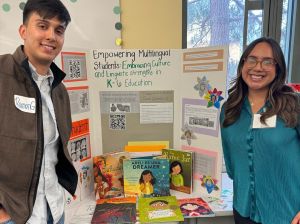
University Interest
|
IRA Program Name |
Contact |
What You'll Learn |
|---|---|---|
Appropriate Technology and People |
Cal Poly offers several courses and programs aimed at understanding and mitigating poverty, both globally and locally. This IRA works to centralize and organize these efforts. ATP supports projects, and builds a community dedicated to collaboration, humanitarian outreach, and participation in building cooperative solutions to international and local poverty. Projects focus on developing relationships and designing holistically-oriented solutions to poverty; especially at a local level. This is an interdisciplinary effort, bringing people together from humanities, engineering, science, and social science. ATP will partner with nonprofit and community groups, near Cal Poly and overseas. |
|
Arab Music Ensemble |
The Arab Music Ensemble performs the art and popular music of a wide range of Arabic-speaking societies as well as selected seminal pieces having widespread popularity in the larger Middle East. Arab art music has intersected historically with the diverse musical traditions of the larger region and has benefited deeply from the contributions of interconnected social groups including men and women of diverse ethnic, religious, and philosophical backgrounds. Students learn about the systems of melodic and rhythmic modes that underscore this music. Performances include the traditional chamber music ensemble as well as the modernly configured orchestra. Students learn traditional and indigenously adapted instruments as well as how to adapt their own instruments to this music. The ensemble also performs folk dance repertoire with dancers who stage colorful, graceful, and lively choreographies. Participation in the ensemble is open to all Cal Poly students and community members whether enrolled or not, and previous experience is not required. Performances include formal concerts at the end of the quarter, usually to a standing-room-only audience, as well as optional concerts for other occasions. |
|
ASA DataFest
|
Students who participate in DataFest take part in a weekend-long data analysis event held at Cal Poly as part of a national program organized by the American Statistical Association, where local competitions take place across the country. Working in small teams, students are given a large, complex data set and challenged to make sense of it in a limited amount of time. They gain experience exploring messy, real-world data, creating visualizations, and identifying meaningful patterns, while also learning how to approach open-ended problems without clear instructions. Just as important, students develop collaboration and communication skills by working closely with teammates and crafting a clear data story, culminating in a 5-minute presentation to judges from industry where they share their insights. DataFest provides a hands-on opportunity to apply classroom learning in a fast-paced, supportive environment. |
|
Bach Week |
Bach Week provides vocal and instrumental student musicians the unique opportunity to perform the music of Johann Sebastian Bach and his Baroque contemporaries side-by-side with faculty and outstanding musicians who specialize in performance practice of early music (Baroque). Bach Week also provides selected student musicians with master class coachings with these professional musicians and provides students, as well as the community, enriching lectures that place the week’s performances in context. The performances, master classes and lectures of Bach Week are open to the public and provide the community with insights and experiences that are unique to our area. |
|
Cal Poly Andaaz |
|
|
Cal Poly Food Day Planning Team |
Food Day is a national, annual event that encourages the celebration of healthy, affordable, and sustainably produced food products. The Cal Poly Food Day Planning Team works to create such a celebration on Cal Poly campus and aims to promote safer, healthier diets, sustainable farming practices, to reduce hunger, and to support fair working conditions for farm workers in our community. Food Day activities planned by this team include: guest lectures, tours of food and agricultural related resources on campus, and a food festival highlighting the diversity of campus resources in the areas of sustainable food production and cooking. |
|
Cal Poly Lion Dance Team |
Students participating in this activity will learn the musical and physical skills necessary to perform in traditional Chinese lion dance performances. Students will practice routines and stunts and learn to freestyle for performances, learning about the traditions and beliefs surrounding lion dance, and caring for and repairing the dance costumes and equipment. Some students may write their own routines and music for special performances. The team will perform at a variety of locations on- and off-campus throughout the year. |
|
Cal Poly Medical Reserve Corps (MRC) |
The Cal Poly Medical Reserve Corps program trains students in medical emergency and disaster preparedness by forming an on-campus Medical Reserve Corps (MRC) team. The team provides support at large scale campus events alongside the Department of Emergency Services and University Police, and collaborates with Campus Health & Wellbeing to promote the overall safety and wellbeing of our campus and community. The program allows individuals to gain necessary pre-professional experience for health-related professional schools and occupations. Member are also encouraged to obtain their Adult First Aid and CPR certification in order to take a step towards completing Emergency Medical Technician training. |
|
Cal Poly Plant Conservatory |
The Cal Poly Plant Conservatory maintains a living collection of diverse and well-documented plant collections. The goals of the CPPC are to educate on proper horticultural practice, plant conservation, plant taxonomy, and design. In this IRA, students assume responsibility for developing and maintaining a portion of the living collection by acquiring new plant species, learning about their ecological requirements, and developing a management plan, and will gain hands-on experience with greenhouse management and plant propagation. Students also have the opportunity to travel to the Huntington Botanical Gardens to learn from the collection managers and gain feedback from the managers on their projects. |
|
Campus Community Garden |
The Campus Community Garden IRA supports the design, construction, management, and maintenance of a campus community garden. Participants learn about topics related to horticulture, sustainability, food security and justice, and organic farming, and put these topics into practice. Participants first design garden facilities, spaces, and infrastructure. The organization then continues to provide regular training on sustainable organic farming; share grown fruits and vegetables among themselves and with the campus and local communities; and share program findings and assessment results in hopes of developing new best practices to be used in future projects across the nation. |
|
Chamber Music Ensembles |
This IRA will provide funding for public performances and master classes for five chamber music ensembles. A minimum of five performances per quarter will be held in Spanos Theater or the PAC: Night of Chamber Music, All That Brass, An Evening of Woodwinds and Strings, Percussion Ensemble and Clarinet Festival. Instrumental specialists will provide ensemble and individual instruction catering to the wide range of student abilities. |
|
Combined Choirs |
The Cal Poly Choirs perform many programs throughout the school year. The literature is selected from a wide range of repertoire including multi-cultural, jazz and classical. Through their performances, the choir members acquire performance skills, which are applicable not only in music, but other areas of study as well. As performers in a Cal Poly choir, the members serve as an outreach program for the entire university. |
|
Community Based Learning
|
The Community-Based Learning program includes all aspects of participating courses which require community service to support the course curriculum. Students are placed with local agencies to provide community service which enhances the learning outcomes of their course. Essential to the Community-Based Learning program pedagogy are the structured reflections facilitated by student assistants. Reflections are led during the sixth and ninth weeks of the quarter with faculty supervision. Reflections draw out the experiences that students have encountered during their community service and the overall course. This supervised process allows students to explore attitudes, values, stereotypes, and community perspectives in a non-threatening small group environment led by peers. The majority of courses also require a paper or project focusing on the experiences gained by the student during their community service. |
|
CPTV Cal Poly Television |
Cal Poly Television produces a weekly newscast that synthesizes the curricular and co-curricular experiences of students in the broadcast sequence, as well as interested students from disciplines across campus. Students take this experience and apply it to wide variety of career paths. As the need to produce quality video programming and content becomes more and more interdisciplinary, the opportunities provided by CPTV have become increasingly valuable. Partnerships developed with Carter Cable and the San Luis Obispo County Office of Education (SLOCOE) now allow CPTV to be seen across campus and San Luis Obispo County. |
|
Drama |
The program's objective is to produce three faculty-directed theater productions per year in the Cal Poly's Spanos Theater. The director, and stage, lighting, and costume designers of each production are faculty members. Students participate as actors, stage managers, or members of the scenic crew who build the sets, costumes, props and run the actual production. Students may receive academic credit for any of these activities. Recent productions include Greek and Shakespearean classics, collaborative pieces involving other departments, as well as musicals, highly charged contemporary works and Pulitzer Prize-winning plays. |
|
Green Initiative Fund
|
The Green Initiative Fund IRA provides funding for students to work on an annual sustainability-related project. Students develop cutting edge ideas on how to reduce waste, improve building efficiency, and conserve water all while prioritizing diversity and social justice across campus. The Green Initiative Fund assists students in identifying budgets and timelines, as well as embodying sustainability leadership skills to promote a greener campus. |
|
Honors Service Group |
The Honors Service Group works to provide Honors students with regular opportunities to provide and improve their mentoring and leadership skills through projects benefiting both the university and the local community. Participants will mentor first-year Honors Program students and peer-mentor other students or groups across campus. Students will also participate in service-learning programs in the community, and will be able to share their mentoring ideas, innovations, service project outcomes, and assessment results through attendance at the National Collegiate Honors Council (NCHC) annual conference. |
|
Hui Haumana |
|
|
Kazuma Daiko |
Grace Yeh | |
KCPR Radio |
KCPR's mission is four fold: 1. Apply Cal Poly's "Learn By Doing" philosophy by maintaining a radio station staffed completely by students twenty-four hours a day, seven days a week; 2. Representation and promotion of music to broaden musical knowledge beyond the scope presented by commercial, profit-driven radio; 3. Connection of students to the local community via public service announcements, KCPR events, and local business sponsorship; 4. Inform the community and students of newsworthy local and worldwide issues and events through daily newscasts and talk radio shows. |
|
Manzanar Pilgrimage |
This activity will fund students interested in Japanese-American studies to travel to the Manzanar National Historic Site to participate in a ranger-led program and volunteer at the camp for a weekend. After the trip, students will plan and prepare a presentation for the Cal Poly Day of Remembrance Program held on or around February 19th each year, which marks the date when Executive Order 9066, authorizing the mass incarceration of Japanese Americans during WWII, was signed. |
|
Mustang News |
Mustang News remains the one public forum available to students of all majors on the Cal Poly campus. More than 90% of the students read the newspaper at least once a week. In addition to the newspaper operation, Mustang News also maintains a nationally-award winning website. This year, with the emphasis moving to more "digital first" philosophy, traffic to the Mustang News website has more than tripled. At the same time, Mustang News has garnered the attention of several news media organizations with its coverage, including USA Today, Fox News and Huffington Post. The majority of the writing is done by students majoring in Journalism. Students work in various roles including editorial, advertising, photography, graphics, and production, making Mustang News the only newspaper entirely run by students. |
|
Orchesis Dance Company |
Composed of intermediate to advanced dancers, the Orchesis Dance Company's goal is to produce high-quality presentations of dance at Cal Poly, and in situations where it represents Cal Poly. During Winter Quarter, the Orchesis produces a dance concert with six performances at Cal Poly's Spanos Theater, composed of works created by students as well as the works of professional guest choreographers involved and the guest works commissioned. The concert usually includes ballet, modern, jazz, tap, hip hop, lyrical and ballroom dance. The Orchesis performs locally for community and campus events as well as at the regional American College Dance Festival, a four-day festival where students perform a dance previously learned and attend daily dance classes, workshops, lectures, and nightly concerts. These are incredible learning opportunities designed to strengthen the technical and artistic base of the students involved. |
|
Pilipino Cultural Night |
Pilipino Cultural Night has taken place annually for 32 years and allows for Filipinx students to creatively interpret Filipinx social, historical, and cultural contexts with a night of performance. Students involved showcase an original dance, theatrical, or musical performance and in turn, educate other Cal Poly students on Filipinx experiences (such as the Filipinx diaspora). This program takes place in Spring quarters after diligent preparation throughout the Fall and Winter quarters. |
|
PULSE-Peer Health Education |
Kimme Schiltgen |
Cal Poly HEAT is a student-coordinated and student-driven leadership program dedicated to providing awareness and education about Wellness/Health Enrichment for Cal Poly students. The mission of the program is to provide outreach, education, and activities on campus and in the community, to help promote a better understanding of the importance of each of the seven realms of wellness: emotional, environmental, life skills/career, intellectual, physical, spiritual, and social. Students in the program complete a nationally recognized program and become Certified Peer Educators. They provide individual, confidential, health-related consultations for students in the areas of wellness, nutrition and fitness, healthy and responsible choices, and risk-reduction behaviors. |
Rodeo |
The Cal Poly Rodeo program has 60 active students who participate in daily practices, compete at intercollegiate rodeos, and help to produce two intercollegiate rodeos at Cal Poly State University, San Luis Obispo. The Cal Poly Rodeo program gives students in non-agricultural backgrounds the opportunity to learn about the college rodeo and get a first-hand feel for planning and producing a college rodeo. Cal Poly Rodeo gives people, from all walks of life, the opportunity to work together and enjoy something that many college campuses cannot provide. |
|
Rose Float |
The Cal Poly Rose Float gives students the opportunity to engage in a year-long, hands-on learning experience in which they collaboratively plan, design, engineer, build, and decorate a Rose Parade float in partnership with Cal Poly Pomona peers. Throughout the Tournament of Roses production cycle, students will apply leadership, project management, communication, and problem-solving skills while coordinating across teams, managing timelines and resources, and contributing to the successful execution of a nationally recognized public event. | |
Symphony |
The Cal Poly Symphony (formerly known as the Cal Poly Chamber Orchestra) was formed in 1994 in order to satisfy the newly established Bachelor's degree in Music as well as fulfill the desire of students across campus to have an orchestra experience. The Symphony performs orchestral repertoire and gives a minimum of one concert per quarter. Members of the Symphony may perform as a pit orchestra for the annual Opera production as appropriate and organize into smaller chamber ensembles, such as string quartets, which perform throughout the year for recitals, campus events, and community activities. Guest artists and instrumental specialists are brought into the program periodically to provide master classes and individual instruction for the wide range of student abilities found in the orchestra. This provides an excellent training for both majors and non-majors and develops skills that students will use for the rest of their lives. |
|
University Art Gallery |
The University Art Gallery is a venue for helping to nurture creativity, empathy, innovation, design skills, storytelling, and big-picture thinking. As our economic system moves from manufacturing to knowledge-based industries, right-brain thinking, creative-problem solving, and innovative expression have become important topics for all careers and increasingly valued in the marketplace. The University Art Gallery embraces these ideals by bringing bold thinkers, emerging and established artists, and creative professionals to campus. The Gallery also hosts the creative work of Cal poly students, enabling them to gain valuable experience in the professional presentation of their art. |
|
University Jazz Band
|
This IRA provides funding in support of public performances of the University Jazz Bands. The University Jazz Bands are Music Department classes (MU 170/MU 370 - University Jazz Band; and MU 171/MU 371 - Jazz Combo). These classes are performing ensembles, open by audition to any Cal Poly student. Class time is spent rehearsing repertoire for public performance and teaching fundamentals of jazz. |
|
Wind Orchestra |
The Cal Poly Wind Orchestra's goal is to provide an appreciation and understanding of music through the study and performance of the best in wind and percussion literature, and to help each student develop his/her esthetic potential to the utmost. It seeks to expand knowledge, technique, and skill as wind and percussion performers, to provide an outlet for creativity and self-expression, and to provide the challenges that college students seek -- leadership, teamwork, personal growth, and the opportunity to experience the rewards and sense of pride that go along with outstanding achievement. Goals are achieved by conducting meaningful and effective large ensemble rehearsals along with appropriate section rehearsals that are in preparation for regular public performances on and off campus. Opportunities expand as many small chamber ensembles are formed from the most advanced musicians. Periodically, Wind Orchestra has performed in major concert halls throughout the world. |
|
| Back to Top |
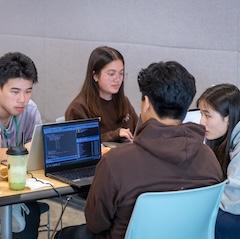
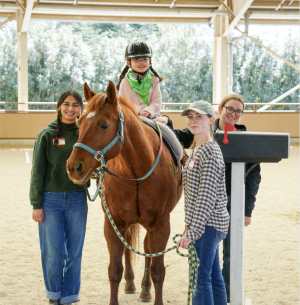
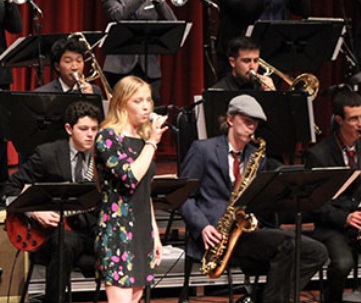
Student Affairs
| IRA Program NAME | Contact | What You'll Learn |
|---|---|---|
Alternative Breaks |
Bradley Kyker |
The Alternative Breaks program, sponsored by The Community CENTER and Student Life & Leadership, will be an integral part of The Community CENTER portfolio of programs. The Alternative Breaks Service Program allows Cal Poly students the opportunity to serve their global community while addressing humanitarian issues through strong direct service, educational workshops, and group reflection during summer, winter, and spring breaks. The Alternative Break Service Program aims to empower Cal Poly students with a sense for global responsibility and inspire active and conscientious citizenship. The program is open to all students of all colleges and majors. Fundraising opportunities will be provided for students with limited financial resources and to supplement IRA funding. Cal Poly students will engage in community service in locations outside of San Luis Obispo in order to gain a broader world view and a better grasp on issues outside of their own community. Collaborative volunteer excursions will give Cal Poly students a chance to make a lasting contribution and work together to positively affect other communities. This service-learning program offers a chance to raise students' self-awareness, supplement their educational experience with the University, and demonstrate Cal Poly's enthusiasm to make a positive impact outside the San Luis Obispo community. |
Change the Status Quo |
"Change the Status Quo: A Student's Role in Shaping Society" is an annual conference that brings together students who share a passion for making a difference in their community and the world. The conference encourages students to challenge stereotypes, demand solutions, and use their education to make lasting changes. The conference is designed not only to educate but also to offer tangible ways for students to become a part of the solutions. Workshops will be presented on the struggle of different cultures and organizations for equality, and there will be feature presentations by leaders who have created change in their communities. Students will learn to take the knowledge they gain in their classes and apply it to create positive changes in our community. |
|
Gender Equity Initiatives |
The Gender Equity Center (GEC) supports and empowers all women identifying students by creating a strong community, educating about feminist, womanist, and mujerista based movements, exploring identities through an intersectional lens, and striving for social justice. Examples of gender equity programs include: - A Wellness Education Series to educate the Cal Poly community about healthy lifestyle choices in the area of physical, intellectual, social, and emotional well-being. The wellness series covers topics such as stress management, health education, positive body image, sex education, and healthy interpersonal relationships. - Vagina Monologues: a global movement to stop violence against women and girls. Vagina Monologues is a catalyst that promotes creative events to increase awareness, raise money, and revitalize the spirit of existing anti-violence organizations. Vagina Monologues generates broader attention for the fight to stop violence against women and girls, including rape, battery, incest, female genital mutilation, and sexual slavery. -Women's History Month: a series of programs that bring awareness and education of poignant local and global topics concerning women and gender. Many of the programs aim to touch on subjects affecting Cal Poly women in the past, present, and future. Programs for this month are used to educate, empower, and connect through the use of film, poetry, literature, art, theater, guest speakers, panel/roundtable discussions, and focus groups on important issues affecting women. - Men and Masculinity Programs sponsored by the Gender Equity Center allow Cal Poly students to gain education and awareness on necessary topics affecting college-aged men. Program goals are to discuss issues concerning local, national, and global gender topics concerning men and masculinity, identify the negative influences of the media on men and masculinity, define what gender truly is and what healthy masculinity looks like, educate men's health, fatherhood, and relationships, and create a community for men that positively affects the Cal Poly campus through personal example. |
|
Healthcare Track Clinical Internship |
|
|
LGBTQIA Programs |
The Pride Center supports and advocates for the unique academic and social needs of lesbian, gay, bisexual, trans*, queer or questioning, intersex, and asexual (LGBTQIA) students to promote personal growth and success. Programs around campus to raise awareness and provide services/support for LGBTQIA students around campus as well as the campus population as a whole. Programs include, but are not limited to: -Ally and Awareness Training: to combat heterosexism, homophobia, and gender identity oppression and to sustain an inclusive and welcoming campus environment. -CommUNITY Pride Month: a series of events designed to educate the Cal Poly community about the issues faced by its LGBTQIA population. PRIDE Month empowers students to develop and sustain a sense of community that supports social justice and to take a proactive approach to creating a campus environment where all students feel welcomed. -Peer Counseling & Mentoring Team: seeks to diminish the stress of lesbian, gay, bisexual, transgender, and questioning students at Cal Poly. It also provides services for the friends, roommates, and family members of LGBTQIA persons in their questions and conflicts. -Pride Film Series Committee: sponsors interactive film experiences throughout the academic year to promote awareness, understanding and campus civility. Films are chosen to spark dialog about LGBTQIA people and issues. -Speakers Bureau Outreach Collective: 25-30 LGBTQIA students who are trained in offering panel discussions and presentations to Cal Poly classes, clubs, and departments as well as community groups. |
|
Multi-Cultural Center Programs |
Tasneem Elghandour |
The Multi-Cultural Center (MCC) supports and advocates for under-represented students by honoring cultural expression, building community, and creating cross-cultural connections. The MCC provides a welcoming space for the Cal Poly community to promote diversity and work towards social justice. Multi-Cultural & Ethnic Diversity programs include: African-American History Month, Asian/Pacific Islander Heritage Month, Latino Heritage Month, Native American Heritage Month, as well as a spoken poetry event called Another Type of Groove. Each cultural awareness month seeks to highlight contributions and achievements of different ethnicities throughout American history and promote cultural awareness as a key component to a well-rounded education. Another Type of Groove is a monthly spoken word/poetry event that attracts national and regional poets to campus and allows students to be exposed to diverse individuals and styles addressing issues such as race, ethnicity, gender, sexual orientation, identity, class, life, love, etc. Through the exchange of ideas and the dialog it creates, students create respect for themselves as well as individuals of their community. The MCC strives to unite both the academic community and student community through their cultural awareness programs. |
SAFER Education Services |
SAFER seeks to raise awareness and increase education related to sexual assault. Workshops, videos, presentations, training, quarterly events, social marketing campaigns, and SAFER leadership trainings are all used to accomplish this goal. Students will gain experience in planning and executing these large-scale educational events and workshops and will help to create the cultural relevant social marketing campaigns. SAFER is also responsible for the education of all new residents in University Housing as well as clubs and organizations on campus. SAFER works closely with the local sexual assault prevention center (The SARP Center) to create a dynamic connection between Cal Poly and the San Luis Obispo community. |
|
Wellbeing Ambassador Program |
The mission of the Wellbeing Ambassador Program is to offer education, resources, and foster collaboration to assist students, staff, and faculty to reach their full potential. Individuals participating in the program will incorporate knowledge of wellbeing concepts, develop skills and abilities, and demonstrate excellence via the six elements of wellbeing: 1)physical health and wellness 2) mental and emotional wellness 3) professional and career development 4) social engagement 5) financial sustainability and 6) community collaboration. This IRA connects students, staff, and faculty to assess the needs on our campus in a collaborative environment. Participants will learn about the elements of wellbeing, and how to use them in personal and professional endeavors. There is a ten week certificate program that includes professional development and education, a service learning project, evaluation of the project, and future mentorship opportunities. Service learning projects will be showcased at quarterly campus Wellbeing Collaborative meetings. This will be an opportunity for the campus to learn about new and innovative ideas in relation to the six elements of wellbeing. |
|
| Back to Top |
Last Updated September 30, 2026.